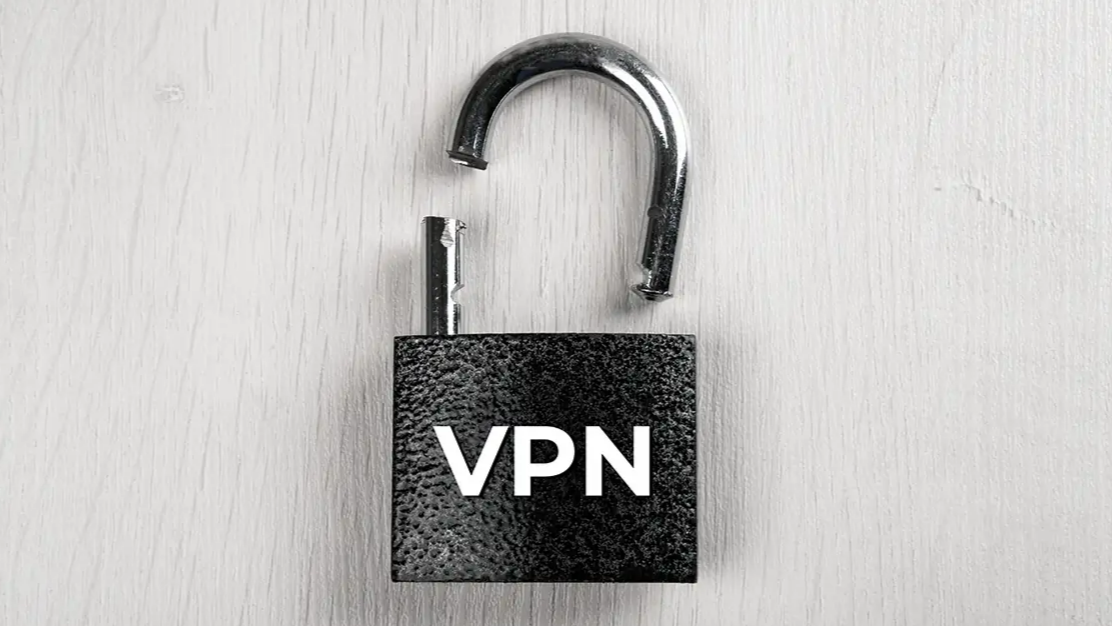
For decades, the VPN has been the "gold standard" for remote work security. We’ve told our teams: "As long as the VPN icon is green, your data is safe." As of March 2026, that statement is officially false. The discovery and widespread exploitation of CVE-2024-3661 (and its 2026 variants) have exposed a fundamental design flaw in how operating systems handle DHCP—the very protocol that gives your computer an IP address.
The "TunnelVision" Exploit Explained The vulnerability doesn’t attack the VPN’s encryption; it attacks the routing table. By using a neglected feature called DHCP Option 121, an attacker on a local network (like a coffee shop, hotel, or compromised home router) can send a "Static Route" command to your laptop. This command tells your computer, "For these specific IP addresses, don't use the VPN tunnel. Use the local gateway instead."
Because most operating systems prioritize DHCP-pushed static routes over the general "catch-all" route used by VPNs, your traffic is quietly siphoned off into the open air—completely unencrypted—while your VPN client continues to show a "Secure" status.
Why This Matters for 2026 Infrastructure
This isn't just a "public Wi-Fi" problem. It’s a systemic architectural issue,
- Invisible Exfiltration - There is no "kill-switch" trigger because the VPN tunnel itself never actually goes down.
- OS-Agnostic - Whether you are on Windows, macOS, or Linux, the underlying DHCP behaviour remains largely the same.
- The "Sovereign" Solution - This has accelerated the move away from traditional SSL/TLS VPNs toward IPSec and WireGuard-based micro-segmentation, where the "tunnel" is no longer a single pipe but a series of identity-verified connections.
Actionable Steps for IT Administrators
If you are managing a fleet of remote devices or a hybrid NAS environment, the "Green Icon" is no longer enough.
- Implement Network Namespaces - On Linux systems (and supported enterprise builds), run VPNs within a dedicated network namespace to prevent the local DHCP from touching the tunnel's routing table.
- Enforce DHCP Snooping - On managed switches and local office hardware, ensure DHCP snooping is active to prevent rogue servers from pushing Option 121.
- The Zero Trust Shift - Treat the "Local Network" as inherently hostile. Move internal resources behind a Zero Trust Network Access (ZTNA) gateway that validates the device and user identity for every single packet, regardless of the VPN status.
The Bottom Line
The "TunnelVision" crisis is a stark reminder that in IT, the oldest protocols are often the weakest links. 2026 is the year we stop trusting the network and start trusting the identity.
Is your remote infrastructure truly isolated? At NOCTeam, we specialize in deep-stack network audits and zero-trust migrations. Don't wait for a "TunnelVision" event to find the holes in your perimeter.
#CyberSecurity #Networking #TunnelVision #VPN #ZeroTrust #ITInfrastructure #SysAdmin #TechNews2026
Originally published on LinkedIn.